Implementation of the Microsoft Agent Management Toolkit for Safe AI Agent Implementation with Policies, Authorizations, Audit Logs, and Risk Management.
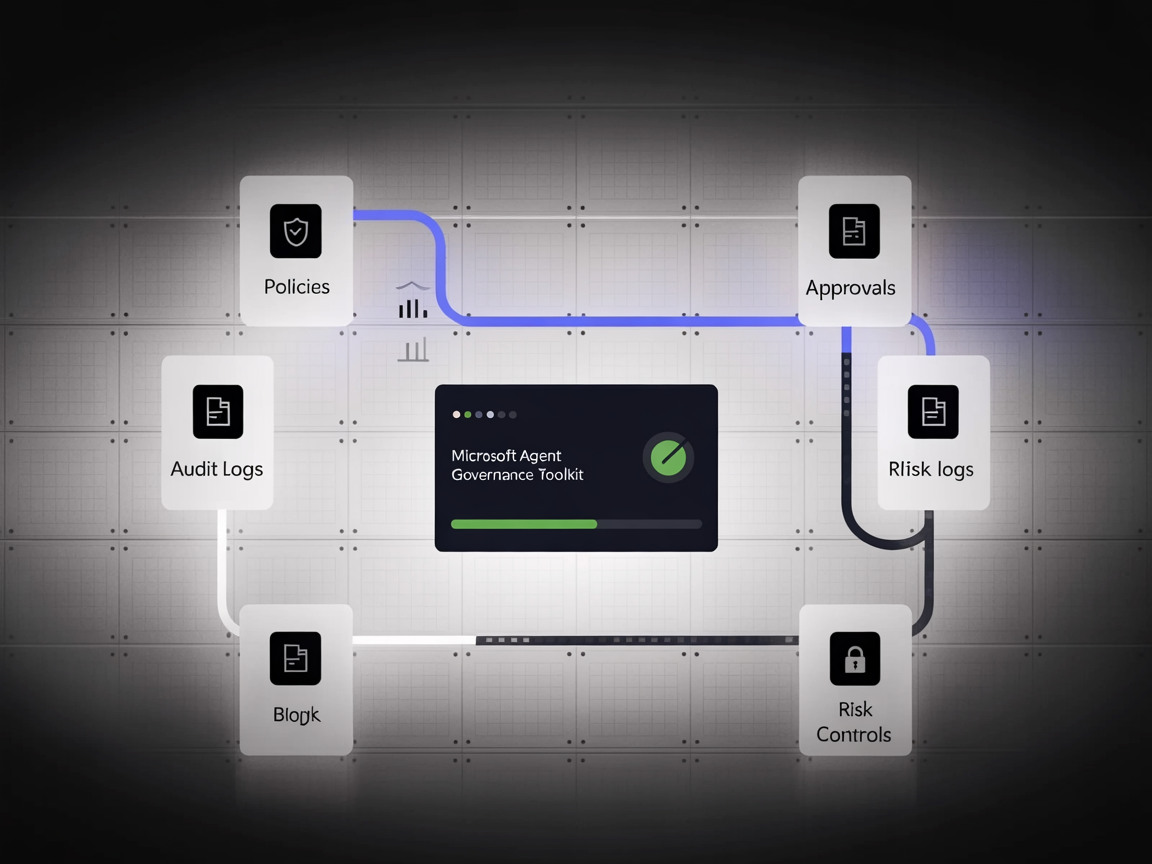
Implementation of the Microsoft Agent Management Toolkit for Safe AI Agent Implementation with Policies, Authorizations, Audit Logs, and Risk Management.

scenarios = [ { “name”: “Safe database read”, “tool”: research_db, “kwargs”: { “table”: “customers”, “operation”: “select”, “type”: “select”, “sensitivity”: “medium” } }, { “name”: “Blocked destructive database action”, “tool”: research_db, “kwargs”: { “table”: “customers”, “operation”: “drop”, “type”: “drop_table”, “sensitivity”: “critical” } }, { “name”: “External email requiring approval”, “tool”: research_email, “kwargs”: { “to”: “[email protected]”, “recipient_domain”: … Read more
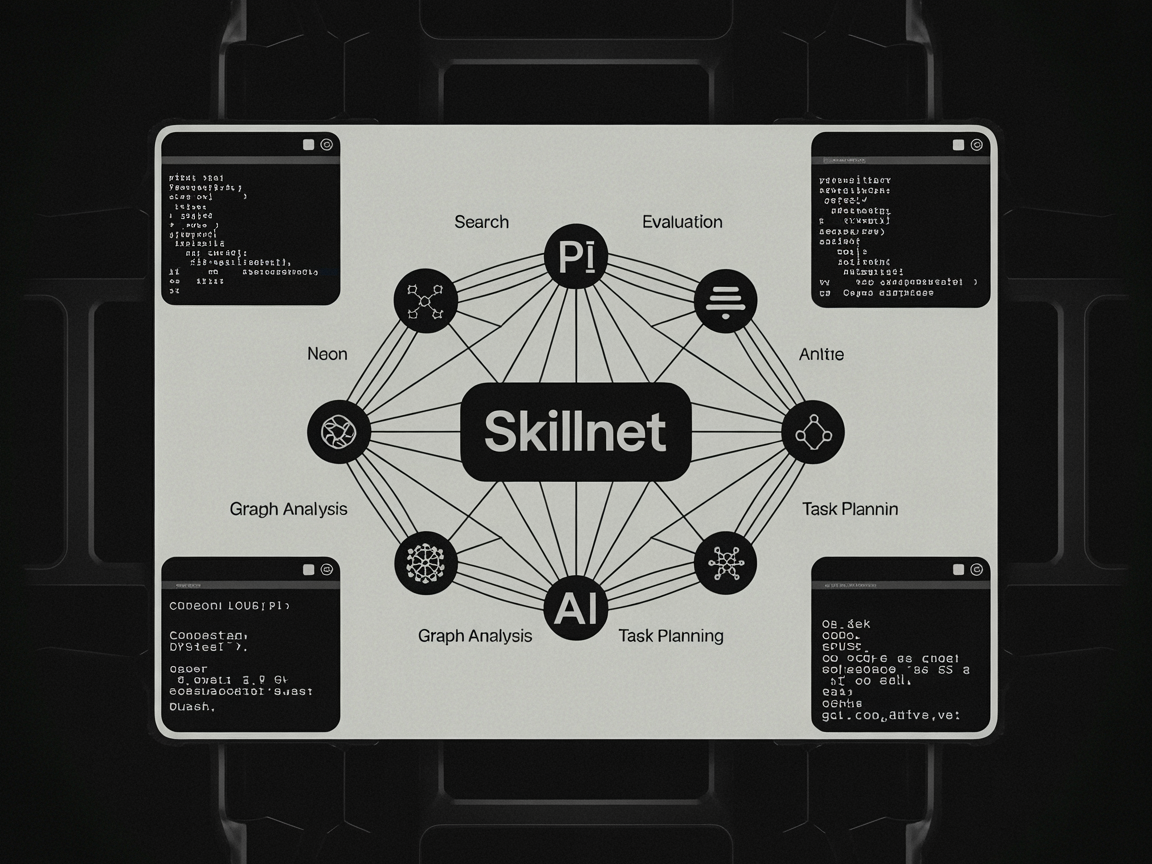
Build Skill-Augmented AI Agents with SkillNet for Search, Evaluation, Graph Analysis, and Task Planning

Build Skill-Augmented AI Agents with SkillNet for Search, Evaluation, Graph Analysis, and Task Planning

banner(“5) Evaluate skills on 5 quality dimensions (quality gate)”) DIMS = [“safety”, “completeness”, “executability”, “maintainability”, “cost_awareness”] LEVEL_SCORE = {“Excellent”: 4, “Good”: 3, “Fair”: 2, “Poor”: 1, “Bad”: 0} def evaluate(target): if USE_SDK and API_KEY: try: return client.evaluate(target=target) except Exception as e: print(f” evaluate failed for {target}: {e!r}”) return None def mock_eval(name): import hashlib h = … Read more

Genesis AI Releases Nyx, Quadrants, and Genesis World 1.0 Physics Platform for Scalable Robotic Foundation Model Evaluation

Genesis AI Releases Nyx, Quadrants, and Genesis World 1.0 Physics Platform for Scalable Robotic Foundation Model Evaluation

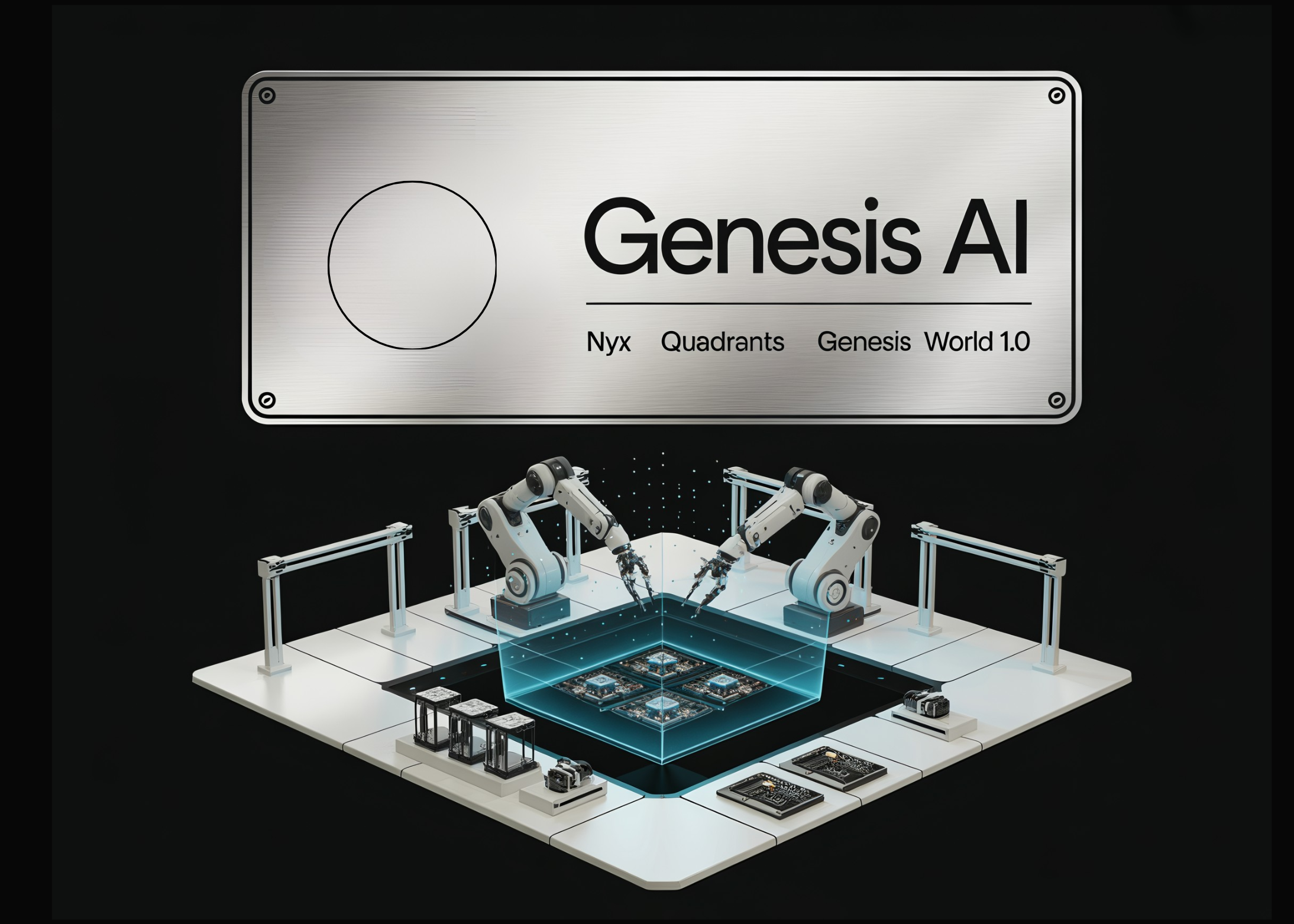
Genesis AI released Genesis World 1.0. The platform consists of four components: the Genesis World physics engine, Nyx (a real-time tracked renderer), Quadrants (a Python-to-GPU compiler), and a simulation interface. It is designed to accelerate the development of a robotics foundation model through simulation-based simulation. Robot model development has two constraints: data and iteration speed. … Read more

Hermes Agent Ships Tool Search for MCP: Anthropic Evals Show 49% to 74% Accuracy Gain in Opus 4

Hermes Agent Ships Tool Search for MCP: Anthropic Evals Show 49% to 74% Accuracy Gain in Opus 4

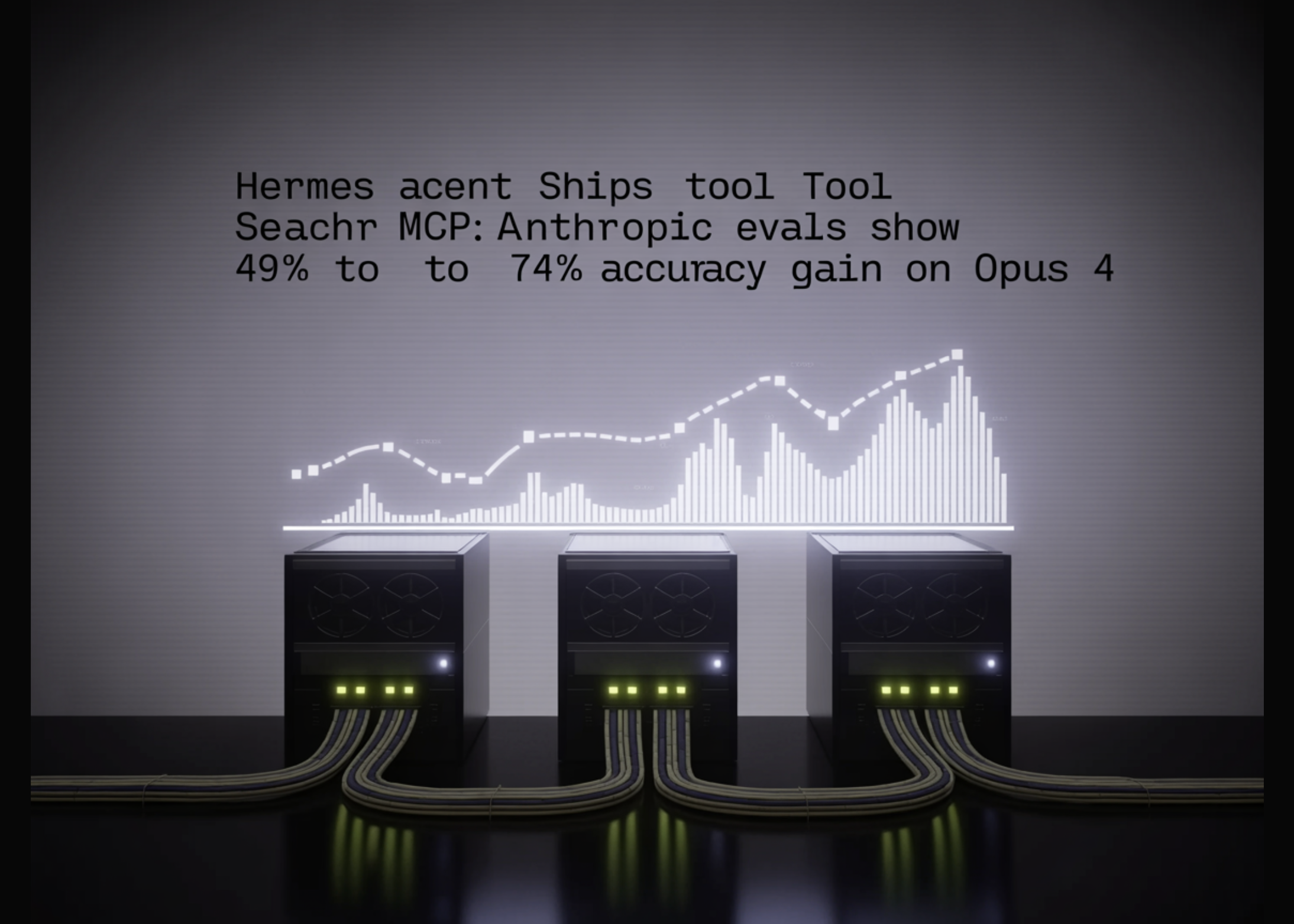
Nous Research’s open source Hermes Agent now ships with a Search Tool feature. It directly addresses a growing bottleneck in AI agent systems: many MCP tools fill the context window. In this introductory article, we’ll reveal what Tool Search does, how it works, and when to use it. Problem: MCP Tools Are Eating Your Window’s … Read more

Prices, Features & Opus 4.7 Comparison

Prices, Features & Opus 4.7 Comparison

The AI ​​industry has grown to that point Raw intelligence is no longer the only thing that matters. Last year, each model release was a race to publish big benchmark numbers. More parameters, features and everything in between. Today, the conversation is changing. Developers care about reliability. Businesses care about cost, scalability, and whether the … Read more

Hexo Labs Open-Sources SIA: A Self-Developing Agent That Updates Both Harness and Model Weights

Hexo Labs Open-Sources SIA: A Self-Developing Agent That Updates Both Harness and Model Weights

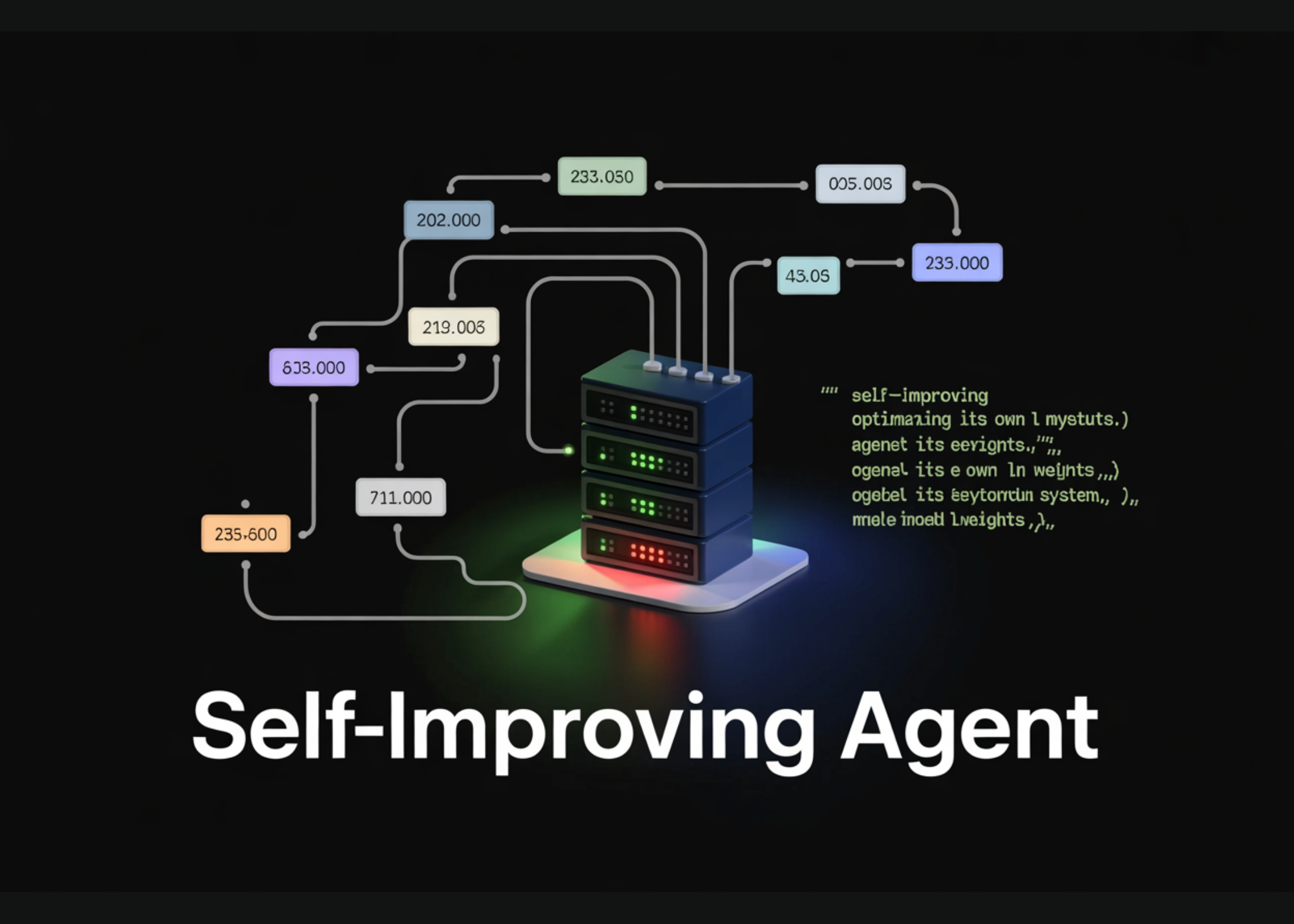
Most AI agents stop improving when people stop tuning them. The model is fixed. The scaffolding around us has been repaired. Hexo Labs wants to deliver both at the same time. It released SIA (Self-Improving AI) this week as an open source framework under the MIT license. The core claim of this study is small … Read more

Liquid AI Releases LFM2.5-8B-A1B: In-Device MoE Model With 8.3B Value and 1.5B Functional Parameters

Liquid AI Releases LFM2.5-8B-A1B: In-Device MoE Model With 8.3B Value and 1.5B Functional Parameters

Liquid AI just shipped LFM2.5-8B-A1B. It’s a Mixture-of-Experts (MoE) device model built for toolkits. The model holds a total of 8.3B parameters but activates only 1.5B per token. That sparsity is what allows it to run on consumer hardware. The release follows the LFM2-8B-A1B, which the Liquid AI team previously published. LFM2.5 is a new … Read more

Anthropic Claude Opus 4.8 Ships Side by Side with Powerful Workflows and Cheap Fast Mode, with Workflows Set to 1,000 Subagents

Anthropic Claude Opus 4.8 Ships Side by Side with Powerful Workflows and Cheap Fast Mode, with Workflows Set to 1,000 Subagents

Anthropic recently released Claude Opus 4.8. Also, there are two Claude Code updates posted. A dynamic workflow uses multiple subagents in parallel. Quick mode now supports Opus 4.8 at a lower price. Both are preliminary research studies. What Dynamic Workflow Really Is A dynamic workflow is a JavaScript script that schedules subagents at scale. Claude … Read more

A Coding Guide for Using a pgvector-Powered Semantic, Hybrid, Sparse, and Quantized Vector Search System

A Coding Guide for Using a pgvector-Powered Semantic, Hybrid, Sparse, and Quantized Vector Search System

In this lesson, we create a complete pgvector playground inside Google Colab and explore how PostgreSQL can serve as a powerful vector database for modern AI applications. We start by installing PostgreSQL, compiling the pgvector extension, linking with Psycopg, and registering vector types for smooth Python compilation. Then, we create embeddings with SentenceTransformers, store them … Read more

Meet EAGLE 3.1: A predictive coding algorithm that corrects Attention Drift in LLM Inference

Meet EAGLE 3.1: A predictive coding algorithm that corrects Attention Drift in LLM Inference

Predictive coding is a way to speed up language model prediction. A small, fast draft model raises several tokens. A large target model verifies them in parallel. If accepted, the prediction is fast. If it is rejected, the system goes back to normal. The EAGLE Team, the vLLM Team, and the TorchSpec Team introduced the … Read more